
Understanding social anxiety and alcohol abuse
If you live with constant fear of judgment in social situations, alcohol can feel like the only thing that takes the edge off. Social anxiety disorder affects millions of adults in the United States and often leads to using alcohol to feel more relaxed or confident around others [1].
When you rely on drinking to manage anxiety, you are not just dealing with one issue. You are facing a pattern in which social anxiety and alcohol abuse feed into each other. Over time, this cycle can turn into a serious alcohol use disorder that makes your anxiety more intense and harder to treat.
Recognizing how these conditions interact is an important first step. With the right information and support, you can begin to replace self-medication with healthier, evidence-based care.
How social anxiety shows up in daily life
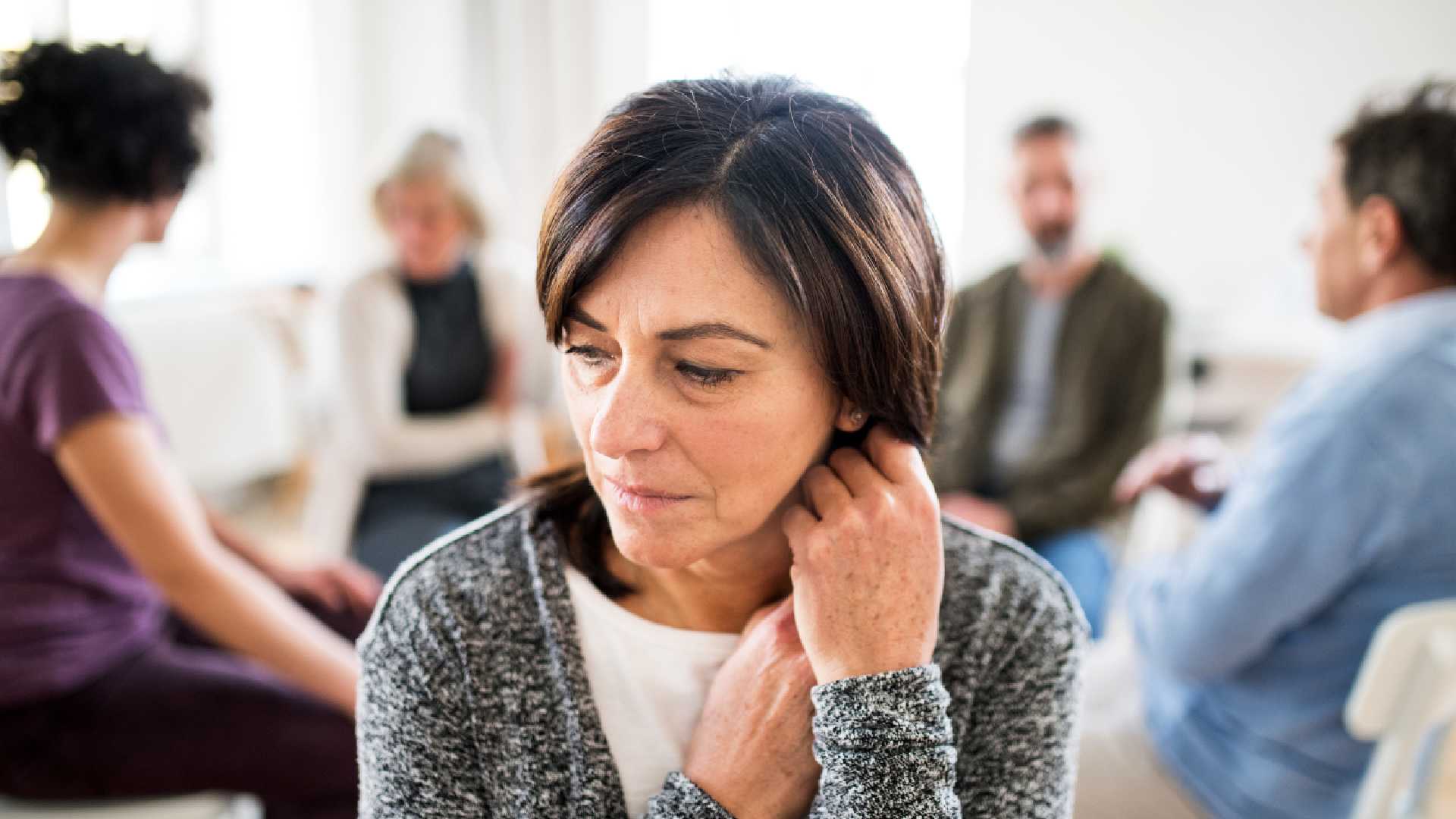
Social anxiety disorder is not the same as shyness. It involves a deep, persistent fear of being judged, embarrassed, or rejected in everyday situations. You might feel extremely anxious when you are:
- Meeting new people
- Speaking in groups or at work meetings
- Eating, drinking, or writing in front of others
- Attending parties or social gatherings
For many people, the fear of humiliation is so strong that you begin to avoid these situations altogether. Social anxiety disorder affects a significant portion of the population, and many people do not receive treatment despite intense distress [2].
You might notice:
- Racing heart, sweating, shaking, or nausea in social settings
- Persistent worry for days or weeks before an event
- Replaying conversations afterward and criticizing yourself
- Believing others are constantly noticing and judging you
On the outside, others may see you as quiet or reserved. Inside, you may feel overwhelmed and desperate for relief. This is often where alcohol comes in.
Why alcohol feels like it “works” for anxiety
When anxiety feels unbearable, alcohol can seem like a quick solution. It can reduce inhibitions, numb anxious thoughts, and create a temporary sense of ease or confidence. This effect is one reason so many people with social anxiety turn to drinking as a coping strategy [1].
Researchers call this the “tension reduction” hypothesis. The idea is that you might drink because you expect alcohol to lower your anxiety, even though the true anti-anxiety effects of alcohol are not clearly supported by research [2].
Over time, you may start to:
- Drink before every social event to “warm up”
- Keep drinking during events to maintain confidence
- Use alcohol afterward to unwind or stop replaying interactions
This pattern can gradually become your main way of handling social situations. At that point, alcohol is no longer just part of your life. It is part of your anxiety disorder.
How social anxiety and alcohol abuse form a cycle
Once social anxiety and alcohol use become linked, each can make the other worse. Studies show that about 20 percent of people with social anxiety disorder also have an alcohol use disorder, and a similar portion of people treated for alcoholism also live with social anxiety [1].
In many cases, social anxiety comes first. One large national survey found that in nearly 80 percent of people with both conditions, social anxiety disorder began years before alcohol dependence developed [3].
The cycle typically unfolds like this:
- You feel intense social fear and dread.
- You drink to cope before, during, or after social situations.
- Alcohol temporarily softens anxiety and self-consciousness.
- The effects wear off, and anxiety returns stronger or is complicated by shame and regret.
- You begin to need more alcohol to feel the same relief.
- Over time, you develop alcohol abuse or dependence, which worsens anxiety and overall mental health.
This pattern can be hard to recognize while you are in it. You might tell yourself that “everyone drinks to loosen up” or that you are just “social drinking.” Yet if you rely on alcohol to face other people, the line between casual use and self-medication often gets crossed quietly.
The impact of alcohol on anxiety and health
Although alcohol can feel calming at first, chronic drinking can cause serious problems for both your body and your mental health. Regular heavy drinking can:
- Intensify baseline anxiety and make panic-like symptoms more common
- Disrupt sleep, which increases irritability and worry
- Interfere with medications or therapy for anxiety
- Increase the likelihood of anxiety attacks and mood swings
- Lead to or worsen depression and other psychiatric conditions
Long-term misuse can also damage relationships, your work life, and your physical health. Studies show that people with both social anxiety disorder and alcohol dependence tend to have higher rates of mood disorders, other anxiety disorders, and personality disorders compared with those who have only one condition [3].
In other words, alcohol does not just fail to solve your anxiety in the long run. It often creates new layers of difficulty that make daily life and recovery feel even more overwhelming.
When you use alcohol to manage social anxiety, it may give short-term comfort but it also increases the risk that anxiety, depression, and addiction will grow more severe over time.
Other anxiety disorders that fuel substance use
Social anxiety is not the only form of anxiety that can lead you toward alcohol or drugs. Many people who struggle with chronic worry or sudden panic attacks also turn to substances to cope. Understanding how these patterns work can help you recognize your own experience.
Generalized anxiety and self-medication
Generalized anxiety disorder involves persistent, excessive worry about a wide range of everyday issues. You might worry about work performance, finances, health, relationships, or future events, often in a way that feels difficult to control.
When this ongoing tension wears you down, you may start drinking or using substances to:
- Fall asleep despite racing thoughts
- Take a “break” from constant worry
- Numb physical symptoms like headaches, stomach issues, or muscle tension
Over time, this can lead to the same kind of self-medication cycle seen with social anxiety. If you want to learn more about how these patterns develop, resources on anxiety disorder and substance abuse can provide additional insight.
Panic disorder and escape behaviors
If you experience sudden waves of intense fear, rapid heartbeat, shortness of breath, and a sense of impending doom, you may be living with panic attacks or panic disorder. Panic can be so frightening that you begin to fear the next attack, and you might start avoiding places or situations where an attack has happened before.
Many people in this position reach for alcohol or drugs to:
- Calm down after a panic episode
- Try to prevent attacks in situations that feel risky
- Avoid leaving home or facing feared locations without a substance
Although this may seem like a way to “take the edge off,” relying on substances often deepens avoidance and can complicate treatment. Exploring dedicated information on panic disorder and addiction can help you see how these conditions interact and why professional support matters.
Why it is hard to seek help
If you live with social anxiety and alcohol abuse, reaching out for support can feel especially difficult. Social anxiety itself involves fear of judgment, which can extend to:
- Talking about your drinking with family or friends
- Calling a treatment center or therapist
- Attending group therapy or mutual support meetings
- Being honest about the level of your substance use
On top of that, you may worry that professionals will focus only on your drinking and overlook how painful and disabling your anxiety feels. Research shows that people with both social anxiety and alcohol dependence are less likely to seek treatment for either condition, despite having more severe challenges overall [3].
Knowing this, it is important to look for treatment settings that understand both sides of what you are facing and can address them together in a respectful, nonjudgmental way.
Treatment options for social anxiety and alcohol abuse
Effective help is available, and it usually works best when it addresses both your anxiety disorder and your substance use at the same time. While research is ongoing about the best way to integrate these treatments, several evidence-based approaches already show promise [2].
Medical and medication support
If your alcohol use has become heavy or daily, medical supervision may be needed, especially during detoxification. Withdrawal from alcohol can be serious, and a supervised setting can help keep you safe while your body adjusts.
For social anxiety itself, certain medications can reduce symptoms and make therapy more effective. Selective serotonin reuptake inhibitors (SSRIs), including medications like paroxetine, have been shown in a pilot trial to lessen social anxiety and reduce the frequency and severity of alcohol use in people with both conditions [2].
Medication is not a cure, but it can be an important tool when used alongside therapy, lifestyle changes, and support.
Cognitive behavioral therapy and related approaches
Cognitive behavioral therapy, or CBT, is one of the most widely used psychological treatments for anxiety disorders and substance use. In CBT, you work with a therapist to:
- Identify automatic negative thoughts about yourself and social situations
- Challenge beliefs such as “everyone is judging me” or “I cannot function without a drink”
- Practice new coping skills for managing anxiety without substances
- Gradually face feared social situations with structured support
Traditional CBT programs that try to treat social anxiety and alcohol problems at the same time have not always shown clear benefits over treating alcohol use alone, which suggests that treatment plans may need to be tailored more precisely to your needs [2].
Even so, CBT techniques remain central to most modern programs for anxiety and addiction. Many treatment centers combine CBT with other approaches such as:
- Motivational interviewing to strengthen your readiness for change
- Skills training to improve communication and social confidence
- Relapse prevention planning that addresses both anxiety triggers and substance triggers
For more details about how these therapies work together, you can explore treatment for anxiety and substance use disorder.
Mindfulness, grounding, and lifestyle strategies
Alongside formal treatment, practical skills can help you manage anxiety and reduce the urge to drink. These strategies will not replace professional care, but they can support your recovery:
- Mindful breathing to slow down your nervous system before or during social situations
- Grounding exercises, such as the 5-4-3-2-1 method that focuses your attention on sights, sounds, textures, smells, and tastes, to interrupt spiraling thoughts
- Checking in with yourself before and after events to notice urges to use alcohol and how you actually felt without it [1]
- Staying connected with a few supportive people who understand that you are working to change your relationship with alcohol and anxiety [1]
These skills can give you more choices in the moment. Instead of automatically reaching for a drink, you can pause, use a coping tool, and decide what you really need.
What treatment inside structured programs can look like
If you enter an outpatient or residential program, your care team will typically assess both your anxiety symptoms and your pattern of substance use. From there, they may design a plan that includes:
- Medically supervised detox, if needed
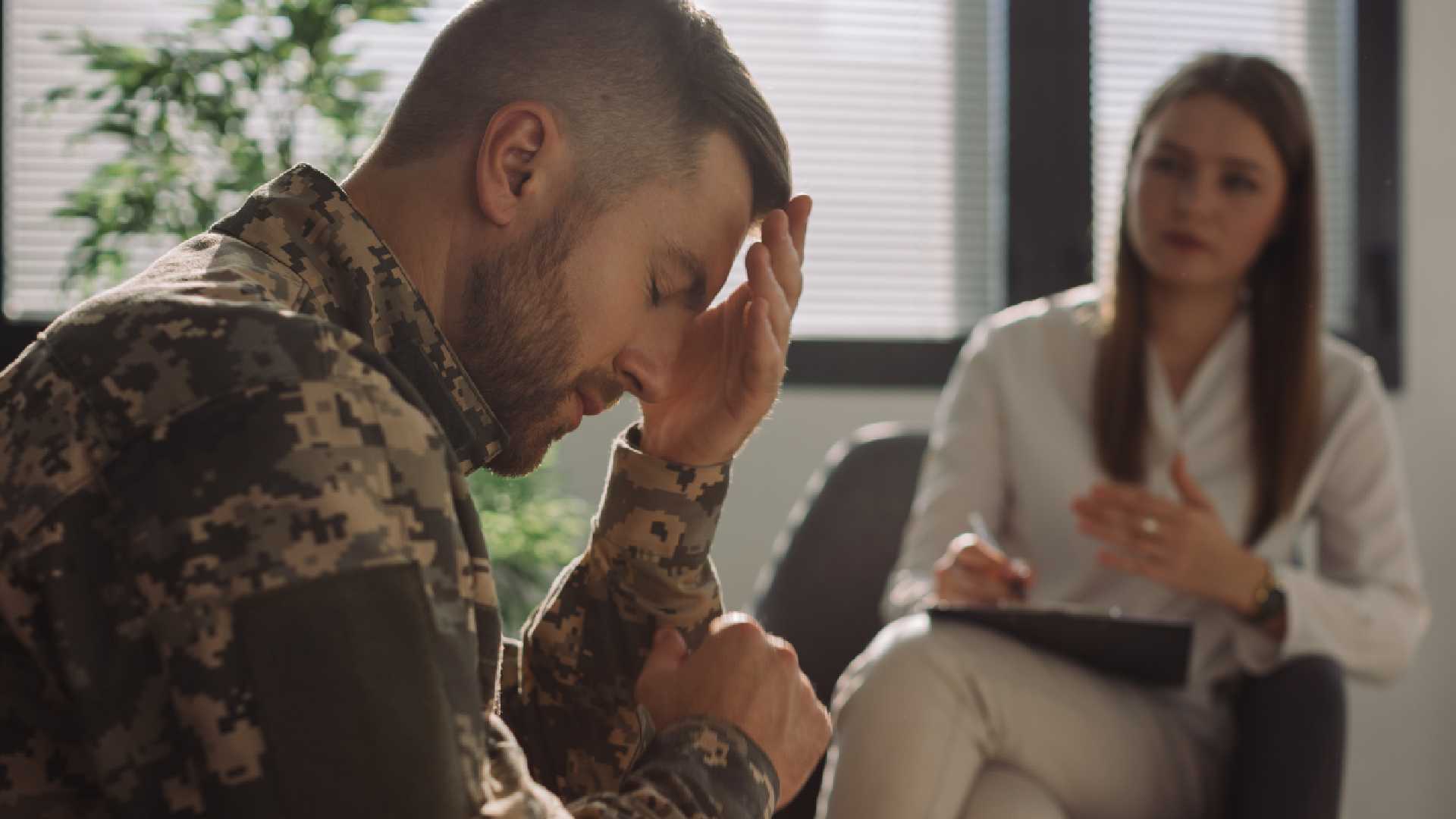
- Individual therapy focused on both social anxiety and drinking
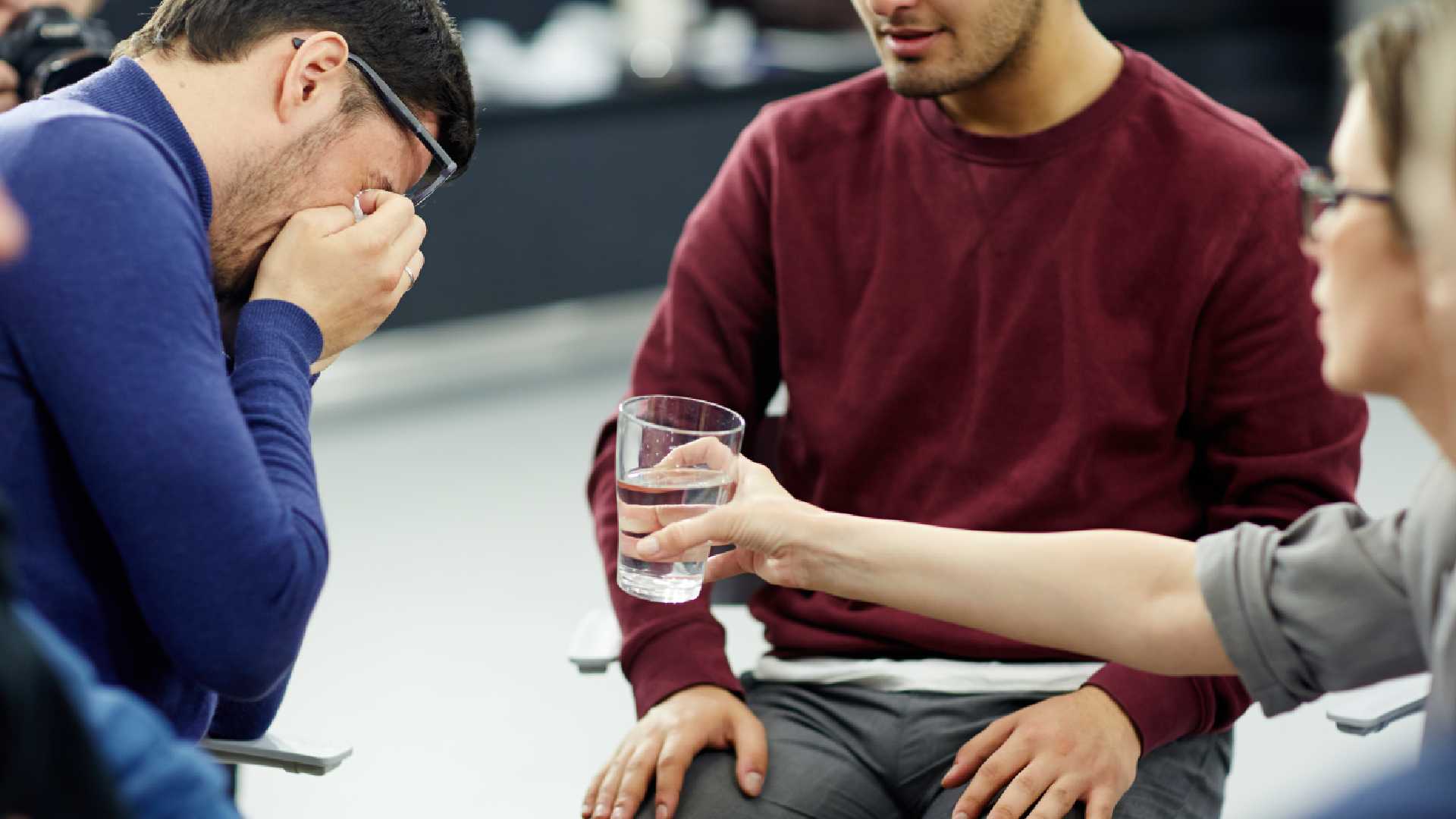
- Group therapy where you can practice speaking and connecting in a safe environment
- Education about how anxiety and addiction affect the brain and body
- Supportive activities like mindfulness, exercise, or creative therapies
For someone with social anxiety, the idea of group treatment can be intimidating. Over time, however, many people find that sharing experiences with others who understand both anxiety and addiction helps reduce shame and isolation.
Integrated programs can also help you plan for real-world challenges, such as:
- Attending social events without alcohol
- Handling work meetings, presentations, or networking
- Rebuilding relationships affected by drinking
- Managing setbacks without returning to substance use
If you are considering this kind of support, looking into specialized anxiety and addiction treatment can help you see what options are available and what feels like a good fit.
Taking the next step forward
Living with social anxiety and alcohol abuse can feel like being trapped in a loop. You drink to feel less anxious, then wake up more anxious about what happened and more dependent on alcohol to get through the next day. It can seem like there is no way out.
The research paints a different picture. While the combination of social anxiety and alcohol use disorders is common and can be severe [4], people who receive targeted, compassionate care often do improve. Anxiety symptoms can lessen, your reliance on alcohol can decrease, and your confidence in facing daily life can grow.
You do not have to wait until things get worse. If you recognize your own patterns in what you have read, considering a conversation with a mental health or addiction professional is a meaningful step. Support is available that respects your experience, addresses both your anxiety and your substance use, and helps you build new ways of coping that do not rely on alcohol.